
Zizobet Casino
4.9
9.8 1-24 hours
550% Up to 3800€ +50 Free Spins

Compare internationally licensed cricket betting sites by market coverage, odds, payment methods, withdrawal processing, licensing and player-protection tools. Review eligibility and current terms before registering.
Handpicked and verified by our experts. All sites tested for safety, odds quality, and payout reliability.







These platforms cover cricket markets from England, Australia, India and competitions worldwide. Most hold licences from international authorities such as Curaçao. Eligibility, payment methods, account controls and complaint procedures vary by operator and jurisdiction.

Gambiva operates under a Curaçao gaming license and has quickly emerged as a top choice for international bettors in 2026. The platform provides a modern user interface and a specialized focus on crypto-centric transactions, ensuring rapid movement of funds for cricket enthusiasts. The site features an enormous selection of sports markets, with cricket receiving high-priority coverage during global windows. Gambiva processes transactions through various channels including several stablecoins, maintaining sharp odds across all major leagues. Cricket coverage spans every significant international series, including Test championships and T20 World Cups. The operator is noted for high daily payout ceilings, catering to serious punters who target major tournaments. Key Cricket Features:
High-volume market coverage for the Indian Premier League (IPL) and Big Bash League
Rapid crypto payouts typically approved within minutes of request
Ball-by-ball in-play betting available with real-time statistical overlays
Mobile-optimized platform designed for fast bet placement during live action
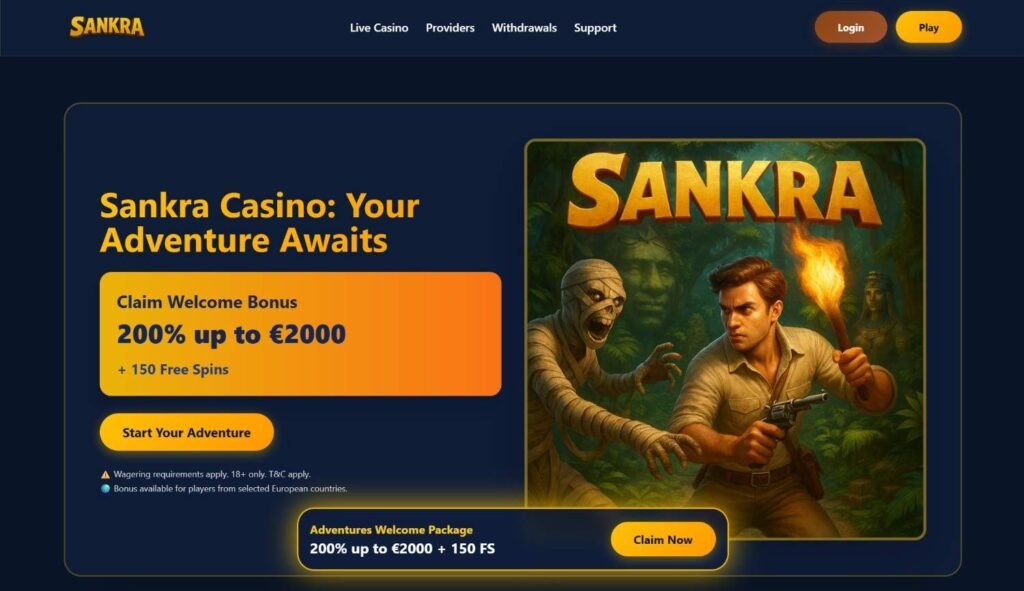
Sankra entered the international market recently and holds a license from Curaçao. The platform supports a broad range of stake settings on major sporting events, subject to account and market limits. Sankra combines a premium sportsbook with a high-end casino experience, serving a global audience including UK players. The cricket section is comprehensive, with a dedicated team of traders providing early prices for international fixtures. The registration process is straightforward, while identity checks may be required before withdrawals or when security reviews are triggered. Key Cricket Features:
Exceptional coverage of horse racing betting alongside international cricket
Enhanced odds on major cricket events like the Ashes and ODI World Cup
VIP loyalty program offering personalized rewards and increased withdrawal limits for cricket bettors
Support for credit card and cryptocurrency deposits with instant processing
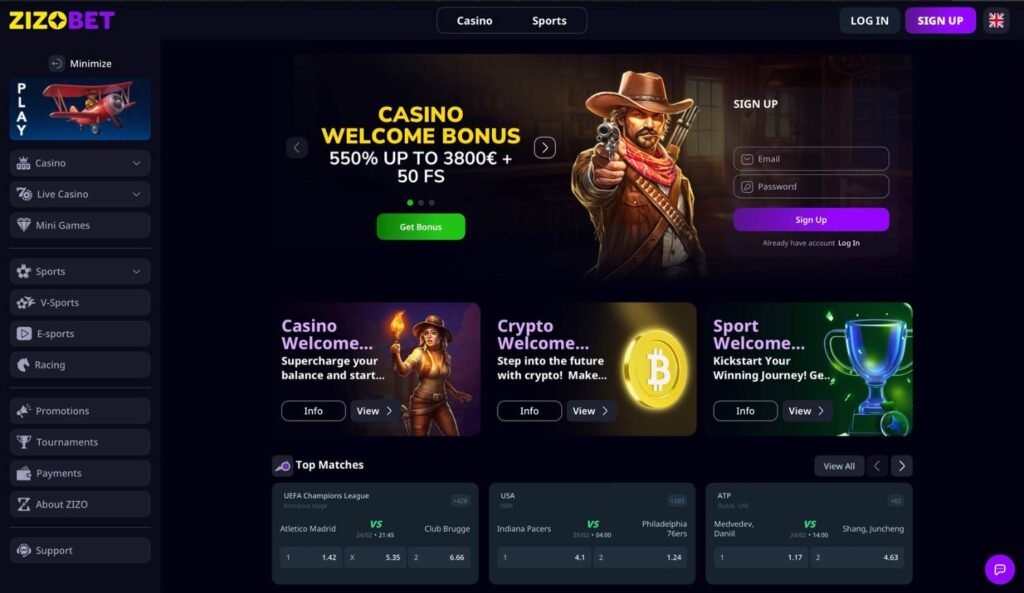
ZizoBet is a vibrant brand in the international iGaming space, maintaining a Curaçao gaming license and focusing on delivering a modern experience for its users. The platform’s cricket coverage is extensive, providing markets for both mainstream tournaments and secondary domestic leagues. ZizoBet emphasizes flexibility and user engagement, offering various promotions that target the major events on the cricket calendar. The interface is built for speed and responsiveness, ensuring that live bettors can keep pace with the fast transitions in T20 and Hundred matches. Key Cricket Features:
Personalized bonus offers tailored to individual betting patterns on cricket fixtures
Live match feeds and comprehensive statistics for informed in-play wagering
Diverse payment support including credit cards and several popular e-wallets
Wide range of cricket market types including player props and over/under runs

Donbet operates under a Curaçao gaming license and launched in 2023, targeting European and international markets with its distinctive mafia-themed branding. The platform combines comprehensive sportsbook coverage with casino gaming, accepting players from multiple jurisdictions including the UK. The site processes transactions quickly through multiple payment channels including cryptocurrency, and maintains competitive odds across major cricket circuits. Cricket coverage at Donbet extends to all major international fixtures, including Test matches, One Day Internationals, and T20 competitions. The bookmaker publishes early prices for upcoming series and updates odds continuously as match time approaches. Mobile functionality works smoothly across devices without requiring app downloads, and the interface loads quickly even on slower connections. Key Cricket Features:
Live betting available throughout matches with ball-by-ball odds updates and in-play statistics
Comprehensive coverage of IPL, Big Bash League, The Hundred, and Caribbean Premier League
Multiple market types including top batsman, top bowler, total runs, and method of dismissal
Cryptocurrency deposits credited within minutes subject to the operator’s fee schedule

VeloBet operates under a Curaçao gaming license and launched in 2020, targeting European and international markets. The platform combines comprehensive sportsbook coverage with casino gaming, accepting players from multiple jurisdictions including the UK. The site processes transactions quickly and maintains competitive odds across major cricket circuits. VeloBet has built a reputation for broad market limits and relatively fast withdrawal processing across several payment methods. Players interested in horse racing betting will also find extensive racing coverage here. The cricket section covers fixtures from all major cricketing nations, with particular strength in English county cricket and international Test series. The bookmaker offers early prices for upcoming tournaments and updates odds based on team news and pitch conditions. Key Cricket Features:
Best Odds Guaranteed applies to selected cricket matches with clear confirmation shown on bet slips
Live streaming partnership provides video coverage for selected international matches
Each-way betting available on outright tournament markets with competitive place terms
Enhanced odds promotions run during major tournaments like the IPL and World Cup
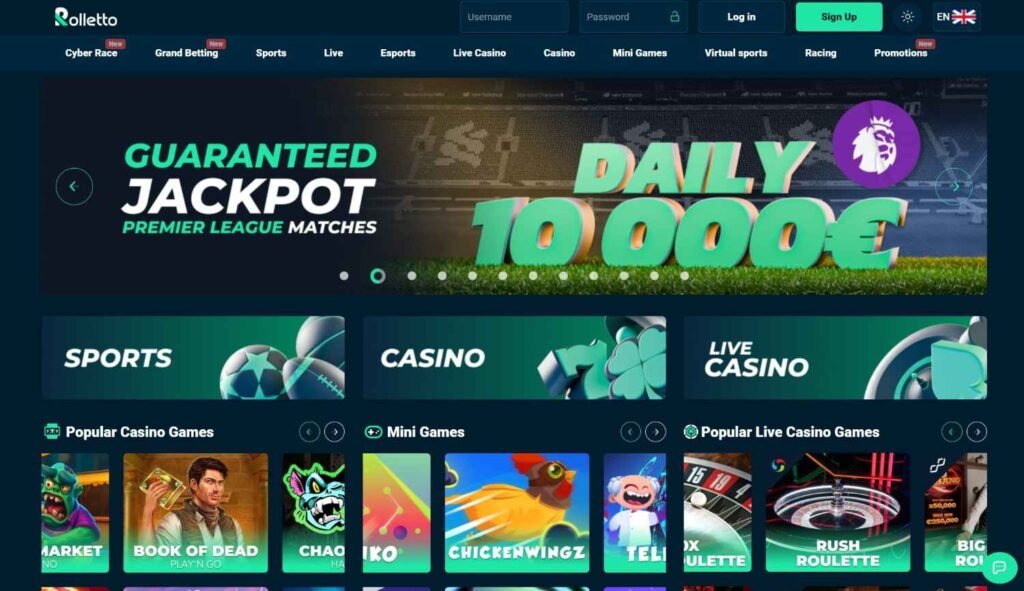
Rolletto entered the market in 2020 and holds licensing from Curaçao eGaming. The operator provides sports betting alongside casino products and has established itself as a reliable payment processor with multiple banking options. The bookmaker maintains competitive margins on cricket markets and offers customer service in English through live chat 24/7. Cricket coverage extends from major international fixtures to domestic leagues across England, Australia, India, and the Caribbean. The platform updates match cards early, typically publishing next-day markets by late afternoon. Rolletto’s accumulator bonuses apply when combining four or more selections, adding percentage boosts to potential returns. Key Cricket Features:
Ante-post markets open months ahead for major tournaments including ICC World Cup and T20 World Cup
Cash-out function available on selected ante-post and same-day bets, allowing partial profit-taking
Player performance markets offered including top batsman, top bowler, and player of the match
Cryptocurrency deposits and withdrawals processed with no fees, typically completing within two hours
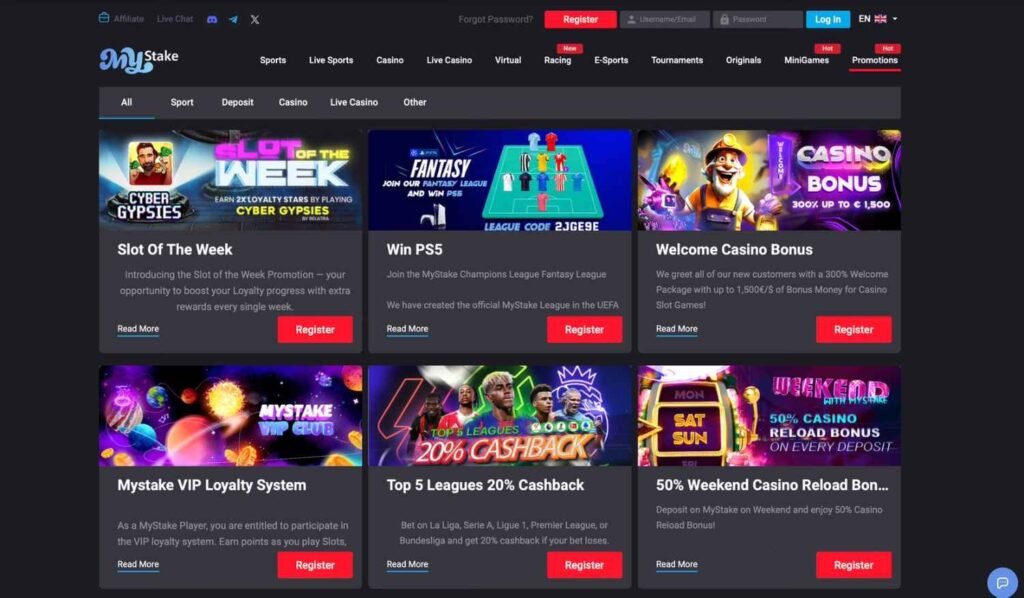
MyStake holds a Curaçao gaming license and has established itself as a comprehensive betting platform since launching in 2020. The site offers extensive cricket coverage alongside a full casino product. The platform’s interface prioritises speed, with match cards loading quickly and bet placement occurring without delays. The bookmaker serves customers across Europe and accepts various payment methods including several cryptocurrencies. Cricket markets feature prominently, with particular depth on Indian Premier League matches where dozens of betting options are available per game. MyStake provides particularly strong Big Bash League coverage alongside its wider international cricket markets. Key Cricket Features:
Bet builder options allow creating complex wagers across different matches and player performances
Daily cricket statistics available showing recent form, head-to-head records, and venue analysis
Mobile-optimised interface provides full cricket functionality without separate app requirements
Live betting markets update ball-by-ball during T20 and ODI matches

Freshbet acquired its Curaçao license in 2021 and positions itself as an entertainment platform combining gaming and sports betting. The sportsbook section receives regular updates to odds feeds and market availability. The operator accepts various payment methods and processes most withdrawals within 48 hours once verification completes. Cricket markets represent a significant portion of the sportsbook offering, with dedicated sections for Test cricket, limited overs formats, and franchise T20 leagues. The platform provides ante-post betting year-round for major tournaments, maintaining markets even during off-season periods. Key Cricket Features:
Innings runs betting offered with over/under lines on first innings totals for Test and ODI matches
Detailed match statistics displayed including pitch reports and weather conditions
Weekly cricket promotions include enhanced odds and accumulator insurance during major series
Match replays and highlights available within hours of completion
Cosmobet operates under Curaçao regulations and focuses on delivering streamlined betting experiences. The platform launched in 2021 and has grown its sportsbook offerings to include comprehensive cricket coverage. The site architecture prioritises speed, with match cards loading quickly and bet placement occurring without delays. The bookmaker serves customers across Europe and accepts various payment methods including several cryptocurrencies. Verification requirements follow standard industry practice, with documents commonly requested before withdrawals or when account checks are triggered. Key Cricket Features:
Multiple bet builder options allow creating complex wagers across different matches and formats
Ball-by-ball live betting available for all televised cricket matches with rapid odds updates
Mobile-optimised interface provides full cricket functionality without separate app requirements
Starting price option available on selected markets protecting punters from late odds movements

Goldenbet operates from Curaçao and maintains extensive cricket coverage across global competitions. The site has built a reputation for handling high-volume betting during major cricket tournaments. Payment processing occurs through multiple channels including local banking partners in various regions. The platform provides cricket markets daily covering Test matches, ODIs, T20 internationals, and all major franchise leagues. Odds compilation occurs early, with tomorrow’s matches often priced before today’s cricket concludes. Key Cricket Features:
Accumulator insurance refunds stakes as free bets if one selection loses in multi-match bets containing five or more legs
Enhanced place terms frequently offered on tournament outrights, sometimes paying up to four places
Maximum bet limits are comparatively high on selected match and series markets
Dedicated cricket customer service team available during UK daytime hours
1xBet 1xBet holds a Curaçao license and has established itself as one of the largest international betting operators. The platform offers perhaps the deepest cricket market coverage available, with hundreds of betting options on major matches. The bookmaker is known for competitive odds and extensive in-play betting options. Cricket coverage includes every international fixture plus comprehensive domestic league coverage from England, Australia, India, Pakistan, South Africa, and the Caribbean. The site’s cricket section features live statistics, ball-by-ball commentary, and detailed match analysis. Key Cricket Features:
Ball-by-ball betting available on every delivery with markets on runs scored, wickets, and extras
Live streaming available for selected international and domestic cricket matches
Over 200 markets per match during major international fixtures including method of dismissal
Telegram channel provides market updates and cricket news throughout match days
Quality bookmakers provide daily access to all international fixtures alongside domestic leagues from England, Australia, India, and other major cricketing nations. Coverage should extend from Ashes Test matches down to county championship games and T20 franchise leagues worldwide. Early pricing matters significantly, with the best sites publishing tournament odds months in advance and match prices appearing 24-48 hours before play begins. Competitive odds with low margins on popular markets like match winner and top batsman indicate quality operators.
Standard win and draw (for Test matches) betting forms the foundation, but comprehensive bookmakers provide extensive player performance markets on every fixture. Top batsman, top bowler, total runs, total wickets, and method of dismissal should be available on all formats. In-play betting with ball-by-ball markets separates excellent cricket bookmakers from average ones. Enhanced odds during major tournaments like the IPL and World Cup, plus accumulator bonuses on multiple selections, increase value for regular punters.
Curaçao licensing is common, while Malta Gaming Authority and Gibraltar licences also appear on some platforms. These sites use different complaint procedures and regulatory standards from UK-licensed bookmakers. Before depositing, verify the licence, operator identity, ownership history, encryption, payment terms and available account-control tools.
Payment availability varies by operator, country, issuer and verification status. Processing speed also differs, with e-wallet and cryptocurrency withdrawals often faster than cards or bank transfers. Minimum deposits typically range between £10 and £20, while weekly withdrawal limits can be more important. Keep valid identity and address documents available to avoid unnecessary delays.
International bookmakers may support cards, e-wallets, bank transfers, prepaid methods and cryptocurrencies. Availability, fees and approval rates vary by operator and payment provider, so check the cashier terms before depositing.
Credit cards function normally at top-rated bookmakers, allowing instant deposits. Both Visa and Mastercard process within seconds. Withdrawals back to credit cards follow standard processing times of three to five business days. Card security checks occur at most reputable sites, verifying your name matches the card and billing address aligns with account registration details.
Bitcoin, Ethereum and other cryptocurrencies can process faster than traditional banking. Deposits may confirm within minutes, while withdrawals depend on operator review and network conditions. Check wallet addresses and blockchain networks carefully, and account for network fees and price volatility.
Skrill and Neteller commonly process deposits instantly and may handle withdrawals faster than direct bank transfers. Most e-wallet withdrawals take one to three business days. Fees vary by provider and account type, so review both the bookmaker’s cashier terms and the e-wallet fee schedule.
The Indian Premier League runs annually from March to May and represents the world’s richest and most-watched cricket tournament. Ten franchise teams compete over approximately seven weeks, with each team playing 14 league matches before playoffs. The IPL generates enormous betting volume, with top-rated bookmakers offering hundreds of markets per match. Ante-post markets open immediately after the previous season’s conclusion, with team winner and top run-scorer markets attracting early interest. In-play betting proves particularly popular given the fast-paced T20 format, with ball-by-ball markets updating constantly throughout matches.
The T20 World Cup occurs every two years and brings together national teams from across the globe. The tournament format includes qualifying rounds before the main event, creating weeks of concentrated cricket betting opportunities. top-rated bookmakers typically offer enhanced place terms on outright markets, sometimes paying up to four places. Group stage matches provide consistent betting volume, while knockout rounds generate peak turnover. The short format and potential for upsets make this tournament particularly attractive for accumulator betting.
The Ashes series between England and Australia represents Test cricket’s most prestigious rivalry. Held alternately in England and Australia, the five-Test series stretches over six to seven weeks. Betting markets differ substantially from limited-overs cricket, with draw results common and matches extending over five days. Session betting, first innings lead, and individual Test winner markets attract significant interest. Weather interruptions can dramatically affect outcomes, making Australian series (with typically better weather) more predictable for betting purposes.
The 50-over World Cup occurs every four years and determines the One Day International champion. The tournament brings together the world’s top cricketing nations over approximately six weeks. Outright betting opens years in advance, with odds fluctuating based on team form and squad selections. Match betting offers more predictable outcomes than T20 formats due to the longer game length. Player performance markets prove popular, with tournament top run-scorer and wicket-taker attracting substantial interest.
Australia’s Big Bash League runs from December to February, providing cricket betting opportunities during the English winter. Eight city-based franchises compete in the T20 competition, with matches scheduled for evening entertainment in Australia (morning UK time). top-rated bookmakers with Australian focus offer particularly competitive odds on BBL matches. The tournament’s family-friendly atmosphere and city rivalries create engaged betting markets.
The Hundred represents English cricket’s newest franchise competition, running each August with eight men’s and women’s teams. The innovative 100-ball format creates unique betting markets not available in traditional cricket. top-rated sites have embraced The Hundred with dedicated market coverage. The condensed format (each innings lasting exactly 100 balls) creates predictable game lengths ideal for live betting.
England’s County Championship provides year-round cricket betting opportunities from April through September. The four-day format offers different market dynamics to T20 betting, with draws common and weather significantly affecting outcomes. top-rated bookmakers vary considerably in county cricket coverage, with some offering comprehensive markets and others focusing only on major fixtures. Knowledgeable punters find value in county cricket due to less liquid markets and greater information asymmetry.
The most straightforward cricket bet predicts which team will win the match. In limited-overs cricket (T20 and ODI), there are typically two outcomes (plus ties requiring Super Over). Test cricket includes the draw as a third outcome, significantly affecting odds calculations. Match winner markets close at the toss and remain unavailable during play at most bookmakers.
Player performance markets predict the highest individual run-scorer or wicket-taker in a match or innings. These markets offer attractive odds for knowledgeable punters who follow player form closely. Dead heat rules apply when players tie, with stakes divided proportionally. Some bookmakers offer “top team batsman” markets for each side separately.
Over/under markets on total runs scored provide popular alternatives to match winner betting. Lines are set for innings totals, match totals, and powerplay totals depending on the format. These markets prove particularly popular for in-play betting as totals become more predictable as innings progress.
This market predicts how the first wicket will fall—caught, bowled, LBW, run out, stumped, or other. Odds reflect historical dismissal patterns and current pitch conditions. Caught typically offers the shortest odds as it represents the most common dismissal method.
Predicting the player judged Man of the Match offers longer odds due to the subjective nature of the award. Markets favour star players on winning teams but regularly produce surprises. Some punters use this market for small-stake, high-reward betting.
International bookmakers may hold licences from Curaçao, Malta or Gibraltar rather than the UK Gambling Commission. UK complaint services such as IBAS may therefore be unavailable, and player-protection requirements can differ significantly. Confirm the operator’s eligibility rules, licence status, complaints process and account-control tools before registering.
Verification often occurs before the first withdrawal, so missing documents can delay access to winnings. Maximum payout limits may cap withdrawals at £5,000 to £15,000 per week regardless of account balance. Bonus terms can also contain high wagering requirements, maximum-bet rules and market exclusions. Review these conditions and test the withdrawal process with a small amount before committing larger funds.
Gambling can be addictive and should be treated as paid entertainment rather than a way to make money. Before depositing, locate the available deposit limits, loss limits, time-outs, session reminders and account-closure options. Set firm limits, take regular breaks and never chase losses. If gambling is affecting your finances or wellbeing, contact GambleAware, GamCare or the National Gambling Helpline.
International cricket betting sites can provide broad market coverage, competitive odds and multiple payment options. The reviewed operators differ in licensing, withdrawal limits, verification requirements, bonus terms and complaint procedures. Donbet, VeloBet and MyStake offer strong cricket coverage, but current eligibility and terms should be verified independently. Set a fixed betting budget, review every promotion before opting in and treat cricket betting strictly as entertainment. Never chase losses or wager money needed for essential expenses.
International cricket betting sites are not regulated by the UK Gambling Commission. Before registering, confirm the current legal position, the operator’s restricted-country rules and whether it is authorised to serve your location. Domestic complaint services may not apply.
Coverage commonly includes the Indian Premier League, ICC T20 World Cup, Cricket World Cup, The Ashes, Big Bash League, The Hundred, Caribbean Premier League, Pakistan Super League and County Championship. Market depth varies by operator.
Withdrawal speed depends on the operator, payment method, verification status and transaction size. Cryptocurrency can process within hours, e-wallets commonly take one to three business days, and cards or bank transfers may take longer.
Some international bookmakers accept Visa or Mastercard, but availability depends on the operator, card issuer and customer location. Check fees, verification requirements and withdrawal routing before depositing.
Common markets include match winner, top batsman, top bowler, total runs, innings totals, method of dismissal, player props, series outrights and ball-by-ball live betting. Availability and limits vary by fixture and operator.